A 40mm flexible waste pipe is often the last metre of a basin, bath, shower, or kitchen sink drain. It turns a trap outlet toward the stack, solves a small alignment problem, or connects a new fixture to an existing waste position. The useful conclusion is simple: it works reliably only when the actual outside diameter matches the fitting, the run has a continuous fall, and the pipe is supported so it cannot sag into a shallow U-bend. It is not a pressure hose, not a gas hose, and not a good choice for a long horizontal run where rigid pipe can do the job.
What 40mm Flexible Waste Pipe Is and What It Is Not
In domestic drainage, 40mm is a nominal size, often described as 1.5 inch. It is used for gravity waste from baths, showers, basins, and kitchen sinks in many systems, but local codes and brand conventions vary. Flexible versions are usually made from polypropylene or PVC with a corrugated wall; better versions have a smooth internal bore. Corrugations allow the pipe to bend around obstacles, but they also give hair, soap, and grease somewhere to catch. Keep flexible waste pipe short and accessible, not buried behind a finished wall without a service point.
The “what it is not” list matters more than the marketing label. It is not for mains pressure, potable water, gas, or central heating. It is also not a universal replacement for rigid waste pipe. If the run is long, the fall is tight, or the pipe will be concealed, rigid pipe with swept bends is usually the lower-risk choice.
Nominal sizes vary by system; confirm actual outside diameter before buying fittings.
| Nominal size |
Typical use |
Common connection |
Practical note |
| 32mm (1.25 in) |
Basin, small sink |
32mm compression |
Tight bends and long runs block more easily |
| 40mm (1.5 in) |
Bath, shower, basin, kitchen sink |
40mm compression or multifit |
Common flexible waste size; check outside diameter and seal type |
| 50mm (2 in) |
Bath, shower, sink, appliances |
50mm compression or solvent |
Use where code requires larger flow or longer runs |
Sizing: The 40mm Label Does Not Guarantee a Fit
A 40mm compression fitting and a 40mm flexible pipe from different systems can still leak. The nominal size describes the system, not a guaranteed outside diameter. Wall thickness, moulding tolerance, and seal design all affect whether the nut compresses the rubber cone enough. A multifit connector may accept several materials and brands, but it is not a licence to ignore actual pipe dimensions. Measure the outside diameter with a caliper or clean tape, check the fitting’s stated range, and confirm whether it needs a cone, flat washer, or insert stiffener.
For procurement, keep pipe and fittings in one system. If you are matching existing work, take a short offcut to the supplier and test the nut by hand before buying a box. Label seal bags by size and type; missing or swapped washers are a common source of callbacks. Do not rely on extra tape or sealant to correct a mismatched mechanical joint.
Fall and Support: The Two Checks That Decide Whether It Drains
Waste pipe is gravity drainage, so fall and support are not optional details. For 40mm domestic waste, a common design range is 18 to 25 mm of fall per metre, roughly 1:55 to 1:40, subject to local regulations and trap arrangement. Less fall can leave solids and soap scum behind; much more fall can let water run away faster than solids, especially on a short branch. The key is a continuous fall in one direction, with no sag between clips.
Fall required over common 40mm waste runs
Flexible pipe needs more clips than many installers expect. A practical starting point is support at intervals short enough to prevent visible sag, often 300 to 500 mm, but always follow the manufacturer’s instruction. Check the run by eye and with a spirit level; a low spot behind a cabinet or under a floor is a future blockage. Keep the trap at the fixture, not somewhere along the flexible run, and avoid sharp bends that flatten the corrugations.
Seals, Fittings, and Leak Risks
Most 40mm flexible waste connections use a compression nut and a rubber cone or washer. The seal works by compression, not thread tape. Cut the pipe square, remove burrs, and mark insertion depth so the pipe does not stop short of the seal. Hand-tighten the nut, then tighten only as much as the fitting maker allows; over-tightening can distort the cone and pinch the pipe. If the fitting is push-fit, check that the pipe is cut cleanly and fully inserted, and use the specified locking ring or clip.
Leak testing should be done before the pipe is closed in. Run water for several minutes, then check under the trap, at every compression nut, and at the stack connection. A dry tissue test is more reliable than a quick glance. If a joint weeps, remove the nut, inspect the seal for grit or a cut, and refit rather than adding more sealant. For kitchen sinks, a smooth-bore flexible section is preferable because grease cools and clings to corrugations.
Material, Temperature, and Where Flexible Waste Pipe Fits
Flexible waste pipe is usually rated for domestic waste temperatures, but ratings differ. Check the manufacturer’s maximum continuous and intermittent temperature before connecting a dishwasher, washing machine, or commercial sink. Near-boiling water and repeated high-temperature discharge can soften some polymers and shorten service life. Also check chemical compatibility if the drain carries cleaning agents or trade waste. For outdoor or buried use, specify a product rated for that duty; general indoor flexible waste pipe is not automatically UV-stable or suitable for underground drainage.
Good applications are short offsets from a trap to a stack, vanity units with limited space, shower trays with low access, and accessible connections. Poor applications are long horizontal runs, concealed runs without access, pressure lines, and any gas connection. A smooth bore with a proper fall will stay cleaner than a corrugated bore with a poor fall, even if both are labelled 40mm.
Do Not Use Flexible Waste Pipe for Gas or Pressure
The most serious mistake is using a drainage waste pipe for gas. Natural gas and LPG connections require purpose-made gas hose or gas pipe, correct fittings, and certification that matches the market. A 40mm flexible waste pipe has no place in a gas line, even as a short temporary connection. Pressure lines are the same story: a waste pipe is not a pressure hose, and a failure can cause water damage or injury.
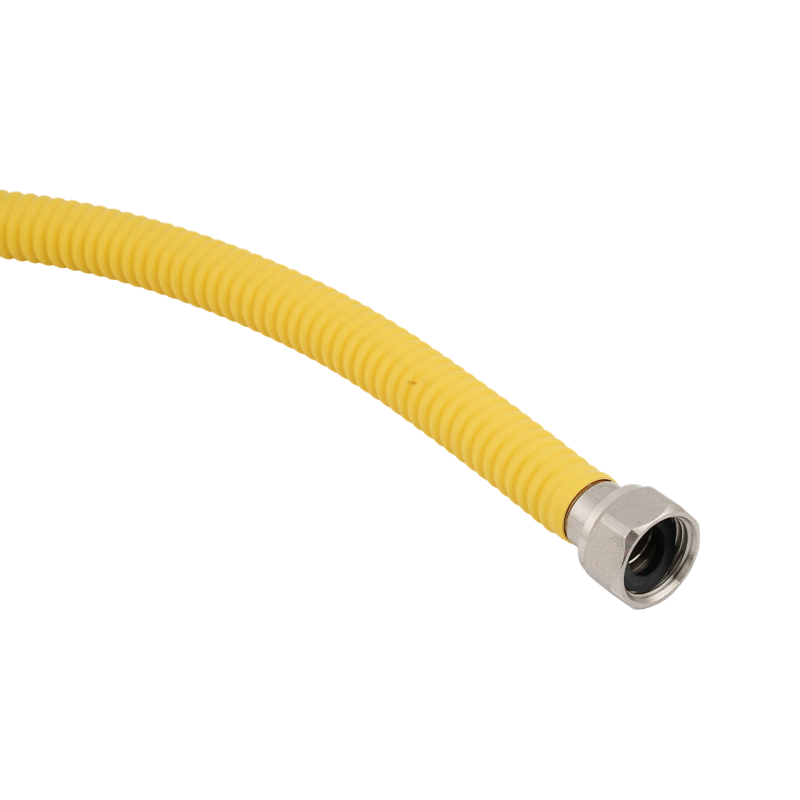
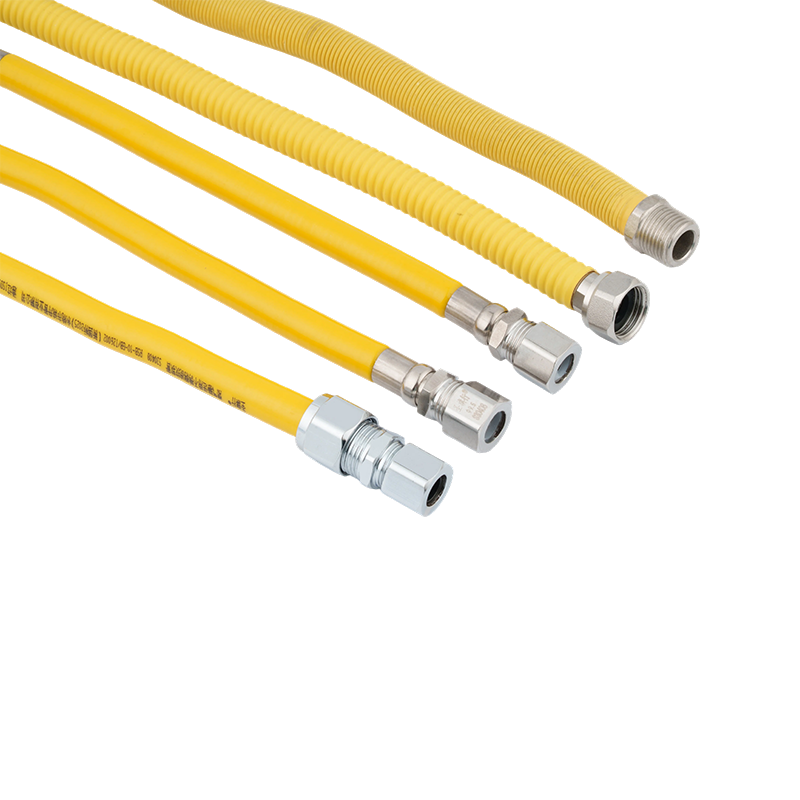
Our own production focuses on gas piping, not 40mm drainage waste pipe. For gas appliance connections, the correct part is a certified gas hose with the right thread or plug configuration. One example is the safety-coated stainless steel corrugated gas hose, which adds an external protective layer where abrasion or handling is a concern. You can also review our gas appliance connection applications for typical use cases.
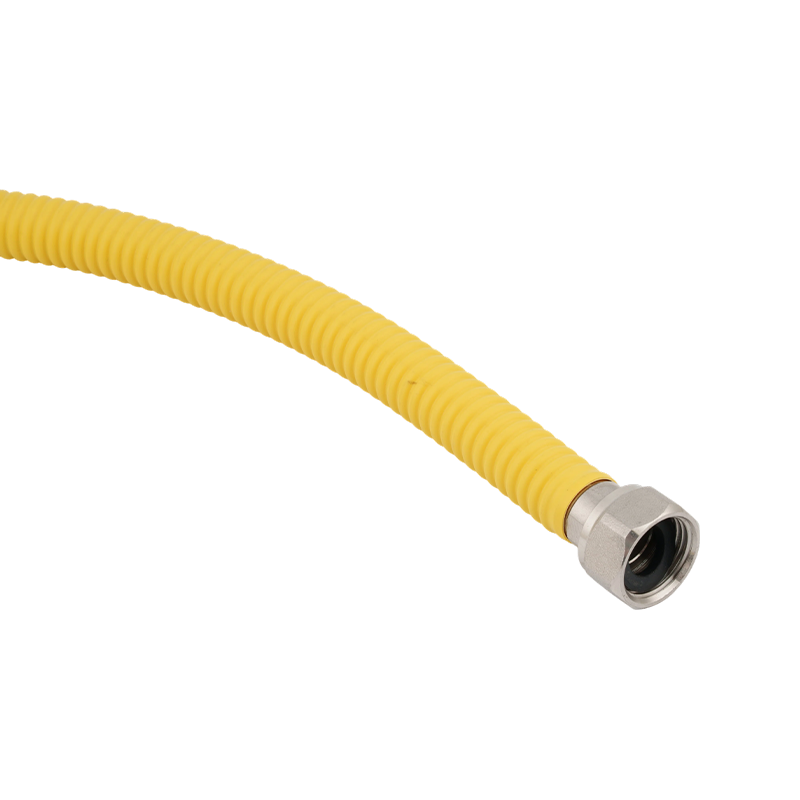 Safety-Coated Stainless Steel Corrugated Gas Hose, 3/8 InchA fixed-length 3/8-inch gas hose with a 304 stainless steel corrugated core and flame-retardant protective coating, suited to appliance connections where abrasion resistance matters.View Product →
Installation Checklist and Buying Specification
Before ordering, write a short specification rather than asking for “a 40mm flexible waste pipe.” Include the actual outside diameter, fitting type at each end, seal type, length, maximum temperature, and whether the pipe must be smooth bore. Add the access requirement: will the joint be behind a panel, under a bath, or in a service void? If access is poor, use rigid pipe and swept bends where possible.
- Measure the existing pipe outside diameter and the thread or socket at both ends.
- Confirm the fitting standard and seal type; keep pipe and fittings from one system.
- Plan a continuous fall of about 18–25 mm per metre for 40mm waste, subject to local code.
- Support the flexible section to prevent sag; keep bends gentle and the run short.
- Cut square, deburr, insert fully, and tighten without distorting the seal.
- Test with water before closing access panels; check the trap, nuts, and stack connection.
- For gas or pressure, stop and use a product rated and certified for that service.
A good buying spec also includes quantity and spares. Waste fittings are cheap compared with a return visit, so keep one spare seal of each type on the van and label it. If the project is a repeat installation, standardise on one 40mm system across the site. That reduces the chance of mixing a 40mm nut with a pipe that is close but not close enough.
The short version: 40mm flexible waste pipe is a useful problem-solver for short gravity connections, but it is not a fit-and-forget product. Match the actual diameter, keep the fall continuous, support the pipe, and use the seal designed for the fitting. For gas, use a gas-rated hose or pipe. For long or concealed drainage, rigid pipe is usually the more reliable choice.



 English
 中文简体
 عربى
 Español




 Wholesale Flexible Metal Hose Suppliers